
The Brinton 1704 House
Our Kitchen Garden
A Colonial-Era Kitchen Garden Reference
Plant List and Bed Layouts
Our kitchen garden reflects the realities of mid-17th -century to the early 18th century colonial life. While a few plants are native to North America and learned from Indigenous traditions, most were brought from Europe by settlers who relied on familiar foods and medicines.
Understand our garden's layout and read about the uses of each plant by hovering over each image!
Bed 1 — Kitchen-Adjacent Signaling Bed
Closest to the 1704 House - Daily Use Herbs
Layout (Top-Down View)
House side
----------------------
| Lavender | Lavender |
----------------------
Mid-bed
----------------------
| Calendula | Calendula |
----------------------
Path side
----------------------
| Chives | Chives |
----------------------
Lavandula angustifolia — Lavender
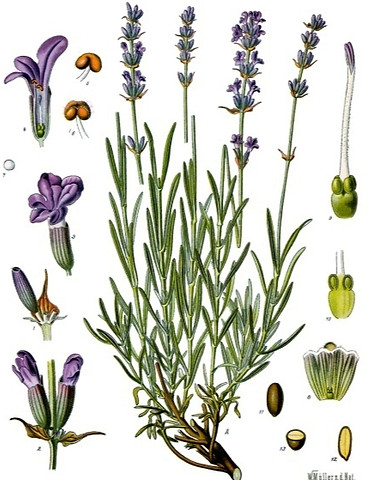
A highly aromatic, woody evergreen shrub, typically growing 1–3 feet tall with gray-green leaves and purple flower spikes in early summer.
Culinary: was used in meat rubs, stews, and roasted meats, jellies and jams, and candied to decorate cakes.
Household: Used to scent linens and deter insects, (to wash furniture to repel lice)
.Medicinal: Used in tea for calming nervous, wound care, coughs, bath water to soothe aches and pains.
Folklore: Believed to calm quarrels within the household and promote peaceful sleep when tucked into pillows or hung near doorways.
Calendula officinalis — Calendula (Pot Marigold)

A hardy, easy-to-grow annual herb (1–2 ft tall) known for its bright yellow-to-orange daisy-like flowers that bloom in summer.
Culinary: Used in rice, stews, and soups. Added cheese and butter to enhance color.
Medicinal: Used to treat wounds, burns, rashes, toothaches, and much more. Folklore: Thought to follow the sun and bring good fortune when picked early in the morning.
Allium schoenoprasum — Chives

Features narrow, hollow, grass-like leaves and edible lavender-purple globe flowers. Grows 1–1.5 feet tall.
Culinary: Used fresh in soups, stews, soft cheese and butter. Paired in potato dishes, sauces and vinegar.
Medicinal: Used as a digestives stimulate, for sore throats, and for blood pressure.
Folklore: Planted near doors to ward off illness and unwanted spirits.
Bed 2— Physic and Household Herb Bed
Closest to the 1704 House - Daily Use Herbs
Layout (Top-Down View)
Fence side
----------------------
| Wormwood | St. John’s Wort | Echinacea |
----------------------
Mid-bed
----------------------
| White Horehound | Borage | Feverfew |
----------------------
Path side
----------------------
| Lavender Cotton | Chamomile |
----------------------
Artemisia absinthium — Wormwood

Growing 3–5 ft tall, it features silky-haired stems and leaves and yellow flower heads.
Culinary: Used in brewing in lieu of hops in beer and to spice mead. Rubbed on fatty meats.
Medicinal: Used to treat bruises and sprains and to expel worms in humans and livestock.
Household: Used to repel pests like moths, fleas, and lice.
Folklore: Seen as a strong protector plant, often planted along garden borders to keep harm from entering the home.
Echinacea purpurea — Echinacea

Native to North America this large, daisy-like flowers (3–6 in diameter) with purple ray florets (petals) surrounding a reddish-orange to brown, domed, prickly center. Unlike the European herbs colonists brought with them, Echinacea was a discovery made through direct observation and interaction with Indigenous tribes
Medicinal: Used for wound care, toothaches, coughs, and saddle sores
on horses.
Folklore: Associated with strength and endurance, reflecting Indigenous
knowledge shared with colonists
Borago officinalis — Borage

Growing 1–3 ft tall, rough, hollow stems and wrinkled, gray-green leaves and star-
shaped, nodding flowers, typically vibrant blue, blooming from early summer to frost.
Culinary use, salads, soups, stews, and broths. Medicinal use for heart and mood.
Folklore: Carried the saying ‘borage brings courage,’ believed to lift spirits and bravery.
Chamomilla — Chamomile

Reaching 1–2 ft tall, Chamomile features erect branches and daisy-like, yellow-centered white flowers.
Medicinal: Used as the “Cure All” to treat cold symptoms, aches and pains, upset stomach, and colic in infants. Used as a calming sedative. Syrup made from the plant was used to
treat jaundice and dropsy, (infection brought on by bacteria in water). Household: Strewing herbs in
the homes would repel pests and freshen the air. Following the Boston Tea Party, it was used to make “Liberty Tea, to substitute boycotted teas.
Folklore: Believed to grow stronger when walked upon, symbolizing resilience through hardship.
Hypericum perforatum — St. John’s Wort

A herbaceous plant growing up to 3 feet high with 5-petaled, bright yellow flowers containing yellow stamens and black dots along the petals.
Culinary: Used as a tea substitute and to make mead.
Medicinal: Used for wound care and nervous ailments.
Folklore: Hung in windows and over hearths to drive away melancholy and evil influences, especially when gathered near Midsummer.
Marrubium vulgare — White Horehound

Characterized by woolly, grey-green wrinkled leaves and square stems that grow to 1–2 feet tall. It produces small, white blossoms that grow in dense, prickly whorls early
spring through autumn.
Medicinal: Used for making teas and syrups for chronic coughs, chest congestion, upset stomachs, and to treat liver and spleen issues.
Folklore: Blended its physical toughness
with protective and healing magick; Believed to break spells and ward off witchcraft with dried bundles hung in doorways.
Tanacetum parthenium — Feverfew
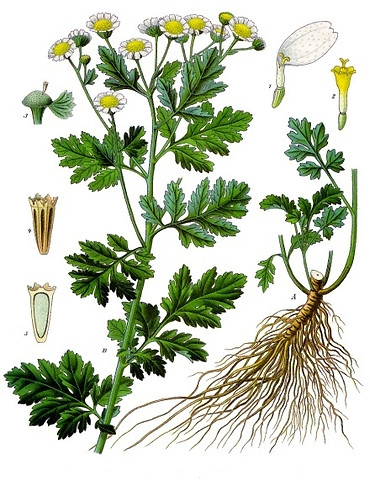
Growing 12-28” high with small, white-rayed flowers with yellow centers and yellowish green leaves.
Medicinal: Used to treat fevers, joint pain, toothaches, irregular menstruation, and headaches, as well as aid in childbirth. Applied to insect bites and sometimes bound to the wrist to treat illnesses.
Folklore: Said to keep both the body and household calm when grown near the home.
Santolina chamaecyparissus — Lavender Cotton

Forming a dense mound between 1-2 ft tall, with silver-gray, needle-like foliage, and small, bright yellow, button-shaped, or pompom-like blooms appearing in summer.
Culinary: Though primarily used for its fragrant and medicinal purposes, rather than culinary, it was sometimes used in broths, sauces, and rice dishes.
Medicinal: Used to treat intestinal worms, ringworms, sores, and skin inflammation.
Household: Used to repel moths.
Bed 3— Medicinal and Pollinator Bed
Rear interior bed
Layout (Top-Down View)
Fence side
----------------------
| Tansy | Bee Balm | Comfrey |
----------------------
Path side
----------------------
| Sweet Woodruff | Nasturtium |
----------------------
Tanacetum vulgare — Tansy

Growing 1.5–6 feet tall, it features fern-like foliage, reddish-brown stems, and bright yellow, flat-topped flowering clusters.
Culinary: While no longer used today due to its toxicity, it was used in colonial times to create tansy cakes, puddings, custards and stews. Also used at the time for meat packing to repel pests and hinder spoiling.
Medicinal: Used in tea for colic and gastric issues. and in hot baths to treat rheumatism and skin sores.
Household: Used to deter pests and flies. Folklore: Associated with remembrance and longevity, but respected for its great strength.
Symphytum officinale — Comfrey

Growing 1–3 ft tall, known for its thick, deep-reaching roots and hairy, lance-shaped leaves. It blooms in late spring, featuring clusters of white, pink, or purplish bell-shaped flowers.
Culinary: Young, tender comfrey leaves were commonly cooked as a leafy green, similar to spinach, often boiled or steamed. Leaves were also used, dipped in batter and fried, or in tea.
Medicinal: Used to make salve or ointment for sprains, cuts, and burns.
Household: Comfrey was grown to feed livestock, valued for its high nutritional content.
Folklore: Known as ‘knitbone,’ it is believed to help mend what was broken—body, home, or fortune.
Monarda didyma — Bee Balm

North American native perennial (2–4 ft) featuring striking, ragged scarlet-red tubular flowers that bloom in mid-summer.
Culinary: Used as a tea substitute, flavor enhancer to salads and jellies. Substituted sage for stuffing.
Medicinal: Used for throat issues, coughs, and to clear congestion. Also used for digestive issues and bee stings.
Household: Following the Boston Tea Party, it was used to make “Liberty Tea, to substitute imported teas that were boycotted.
Folklore: Symbolized hospitality and goodwill; sharing its tea was considered an act of welcome.
Galium odoratum — Sweet Woodruff

A low-growing, mat-forming herbaceous perennial (6–12 inches tall), widely used as a fragrant ground cover in shade gardens. It features lance-shaped leaves and produces small, white, fragrant flowers in late spring.
Culinary: After being dried, it was added to sugar to impart a vanilla-like scent and used in syrup, jellies, and teas.
Medicinal: Used to improve liver health, vascular ailments, and stuffed in pillows to help calming to induce sleep.
Folklore: Thought to bring pleasant dreams and quiet happiness when dried and placed near the bed
Tropaeolum majus — Nasturtium

A fast-growing, edible annual with trailing or bushy stems, round parasol-like leaves, and spurred, five-petaled flowers in shades of yellow, orange, and red
Culinary: Both the leaves and flowers were eaten raw in salads to add a spicy, radish-like bite. The young, unripe seed pods were pickled in vinegar. Mature seeds were sometimes ground and used as a substitute for pepper.
Medicinal: Used to treat chest colds, bronchitis, and nasal congestion. Also used as a poultice on wounds and skin infections, and in herbal teas for urinary tract infections. Folklore: Symbol of boldness and vitality, believed to encourage energy in the young.
Bed 4— Primary Kitchen Herb Bed
Rear working bed - Culinary herbs
Layout (Top-Down View)
Fence side
----------------------
| Rue | Rosemary | Lemon Verbena |
----------------------
Mid-bed
----------------------
| Dill | Basil | Parsley | Marjoram |
----------------------
Path side
----------------------
| Thyme | Sorrel | Sage | Mint |
----------------------
Ruta graveolens — Rue

Distinctive, blue-green foliage with yellow, four-to-five-petaled flowers in cymes grows 2-3 ft in diameter.
Culinary: Historically used for sauces, meats, eggs, and soft cheeses.
Medicinal: Used to relieve gas, colic, and stomach pains, and treat insect and animal bites.
Household: Insect repellent for use around the outside of the home.
Folklore: A potent charm against misfortune; too much rue was said to invite sorrow.
Aloysia citrodora — Lemon Verbena

Growing 2–15 feet tall, it produces small white/lilac flowers in summer.
Culinary: Leaves were added to salads, marinades, dressings, and puddings to provide a strong citrus flavor without the high acidity of lemon fruit. Popular in teas and sweet drinks.
Medicinal Used for flatulence, heartburn, and colic. Used as a tea to soothe nerves and promote sleep due to its sedative effects. Also used for joint pain, fevers, and congestion, and often considered to boost the immune system.
Folklore: Believed to lift heavy moods and refresh tired spirits.
Ocimum basilicum — Basil
Growing 6 inches - 2.5 feet with shiny green, oval leaves, square stems, and small white-to-lavender flowers. It spread to England by the mid-1500's and was common in American kitchens by the early 1600's.
Culinary: Used fresh or dried to add a sweet, peppery aroma to sauces, salads, and soups. Medicinal: Used as an antiseptic. Basil tea was used for anti-inflammatory and stimulating properties.

Origanum majorana — Marjoram
A bushy sub-shrub or herb growing 1-2 feet with reddish, square, branching stems and small, ovate, gray-green leaves. Produces small white or pink flowers in spike like clusters mid to late summer.
Culinary: Used for flavoring, popular in beverages, broths, and meat dishes, frequently paired with poultry.
Medicinal: Used to alleviate stomach pains, dyspeptic complaints, treat congestion, runny noses, and colic. Applied externally as a hot fomentation for rheumatism.
Folklore: Symbol of household happiness and harmony.

Rumex acetosa — Sorrel
Hardy perennial herb, featuring basal rosettes of 4-6 inch long, arrow-shaped green leaves and grows 1-2 feet tall with tall reddish-green flower spikes.
Culinary: Used for its sharp, acidic, lemony flavor, it was a popular staple to make green sauce and to cream soups, and roasted meats.
Medicinal: Known to reduce fevers, cleanse the blood, and crushed leaves applied to wounds and skin rashes. It was often used in teas or as a tonic for stomach disorders.
Folklore: Believed to sharpen wit and cut through heaviness of spirit.

Rosmarinus officinalis — Rosemary

A shrubby, aromatic plant that can grow up to 4–5 feet tall, with dense, upright or trailing woody branches. Fragrant, needle-like leaves, which are used as a culinary herb, and its purple, blue, or white flowers
Culinary: Used to mask the taste of preserved meat.
Medicinal: Used to soothe indigestion with tea, treat aches with salves, and fumigate homes.
Folklore: Associated with memory and loyalty; folklore claimed it thrived where women ruled the household. Hung in doorways to ward off spirits.
Anethum graveolens — Dill

Featuring feathery, blue-green foliage and tiny yellow flowers in umbels, typically reaching 2–4 feet in height.
Culinary: Used in pickling food. Fresh leaves and seeds were used to flavor vegetables and meats in stews, soups, and salads. It was valued in colonial times for its strong aroma and taste, which helped mask the flavors of preserved and salted meats.
Medicinal: Used as an appetite suppressant: Quakers and Puritans were known to refer to it as the "meeting seed," as they gave children dill seeds to chew on during long church services to keep them quiet and curb hunger.
Folklore: Used to quiet gossip and restlessness.
Petroselinum crispum — Parsley

Reaching 12–36 inches in height during its second year of growth when it produces small, yellowish-green flowers. Leaves are bright green either flat or curly.
Culinary: in colonial times, used in broth, sauces, and to take the sharp edge off strong meats that were preserved.
Medicinal: Used for its diuretic properties for the bladder, kidney, and edema. Also used for gastric complaints and other digestion issues.
Folklore: Belief that it traveled to the Devil and back before sprouting, testing a gardener’s patience.
Thymus vulgaris — Thyme
A hardy, aromatic, woody-based evergreen subshrub growing between 6–12 inches tall, it features small, gray-green revolute leaves and tiny lilac or white flowers.
Culinary: Used to season meats, soups, and stews due to its robust flavor. As a preservation, aided in food preservation. Along with sage and rosemary, it was a fundamental herb in colonial kitchens. Medicinal: Used to brew tea to treat coughs, colds and sore throats. Used as a digestive aid in gas and bloating.
Household: Used in the household to repel insects and mask orders. Folklore: Carried for courage and protection on journeys.

Salvia officinalis — Sage
Growing 1.5-2.5 feet tall, leaves are oblong, pebbly, or wrinkled in texture, and covered in fine hair, with a silvery, gray-green appearance. Small, two-lipped lavender-blue, pink, or white flowers appear in upright spikes in late spring to early summer.
Culinary: Used as a staple herb for seasoning meats and stuffings.
Medicinal: Used for its antiseptic, anti-inflammatory, and astringent properties. It is often used in teas or rinses for sore throats, mouth inflammation, and to aid digestion. Folklore: Linked to wisdom and long life; a flourishing sage meant a prosperous household.

Mentha spicata — Spearmint
Growing 1-3 feet tall, with bright green, wrinkled (rugose), and lance-shaped leaves, producing small pink, white, or lavender flowers from July to September.
Culinary: Used in sauces, vegetables, soups, stuffings, jellies, and candies.
Medicinal: Used in teas to reduce gas and cramps, nausea, and vomiting. Used as a gargle to improve breath and to treat gums and throat.
Folklore: A sign of hospitality and abundance.

Bed 5— Boundary and Service Herb Bed
Along left fence - Service Herbs and Medicinal
Layout (Top-Down View)
Fence side
----------------------
| Bronze Fennel | Yarrow | Red Valerian |
----------------------
Path side
----------------------
| Sage | Summer Savory | Tarragon |
----------------------
Foeniculum vulgare Purpureum — Bronze Fennel

Growing 3–6 feet tall this plant is valued for its feathery, deep purple-bronze foliage, which fades to smokey gray green. It features yellow summer flowers, anise-flavored edible parts, and is a strong attraction of pollinators and butterflies, specifically the Black Swallowtail.
Culinary: Used in fish and meat dishes. Seeds are used for baking and added to salads and soups The stems can also be used for pickling.
Medicinal: Used to treat digestion, coughs, sore throats,colic infants, and sore joints. Also used to increase breast milk supply.
Folklore: Associated with clear sight and clear thinking, especially along boundaries.
True Valerian (Valeriana officinalis)
Native to both North America and Europe, Yarrow grows 2-3 feet tall with hairy, deeply dissected, fern-like leaves. Tiny white to yellowish white (rarely pink) ray and disc flowers form dense, flattened clusters.
Culinary: Used in stews, salads, and to make beer and mead.
Medicinal: Used for wound care and to stop bleeding, fevers, pain relief, and inflammation. Historically called “soldier’s woundwort” because it was used on the battlefields to stop bleeding and heal wounds.
Folklore: Believed to protect wounds and grant courage in difficult times.
.jpg)
Satureja hortensis — Summer Savory
Achillea millefolium — Yarrow
Native to both North America and Europe, Yarrow grows 2-3 feet tall with hairy, deeply dissected, fern-like leaves. Tiny white to yellowish white (rarely pink) ray and disc flowers form dense, flattened clusters.
Culinary: Used in stews, salads, and to make beer and mead.
Medicinal: Used for wound care and to stop bleeding, fevers, pain relief, and inflammation. Historically called “soldier’s woundwort” because it was used on the battlefields to stop bleeding and heal wounds.
Folklore: Believed to protect wounds and grant courage in difficult times.

Salvia officinalis — Sage
Growing 1.5-2.5 feet tall, leaves are oblong, pebbly, or wrinkled in texture, and covered in fine hair, with a silvery, gray-green appearance. Small, two-lipped lavender-blue, pink, or white flowers appear in upright spikes in late spring to early summer.
Culinary: Used as a staple herb for seasoning meats and stuffings.
Medicinal: Used for its antiseptic, anti-inflammatory, and astringent properties. It is often used in teas or rinses for sore throats, mouth inflammation, and to aid digestion. Folklore: Linked to wisdom and long life; a flourishing sage meant a prosperous household.
Artemisia dracunculus — Tarragon
Summer Savory was one of the earliest plants introduced to North America by European colonists in the 1600's. This fast-growing bushy annual grows 12-18 inches tall with wiry stems, purplish in tint. From July to September, the plant produces whorls of tiny, pale lavender, pink, or white flowers.
Culinary: Known as "Bean Herb" its culinary use was in cooking beans and legumes. Colonists discovered that adding it not only enhanced the flavor but also acted as a carminative to reduce the flatulence caused by a bean-heavy diet. It was also infused into vinegar and butters.
Medicinal: Used to clear chest congestion, stomach cramps, nausea, as well as crushed leaves rubbed on bee stings. Planted alongside beans to repel bean beetles and other pests.
Folklore: Known as the herb of happiness, thought to lighten the heart when shared in meals.

While less common than sage or thyme due to the difficulty of obtaining seeds or starts, Tarragon was a mark of a refined colonial garden. It is a clumping, shrub-like perennial that typically grows 2 to 3 feet tall. It features dark green, glossy and lance shaped leaves. Produces small yellow or greenish-yellow flower heads in late summer.
Culinary: Most famous for making Tarragon Vinegar, which colonists used in salad dressings and sauces. It was also used to season fish, chicken, and egg dishes. Medicinal: Colonists used this herb to stimulate appetite and ease gas and bloating. Also used as a mild sedative. Folklore: Claimed it protected travelers it was believed that tarragon could cure the bites of venomous beasts and "mad dogs".

References:
The Herb Society of America
Colonial Williamsburg
Monticello – Thomas Jefferson’s Home
Smithsonian Garden’s and Archives of American Gardens
US Forest Services
Native Plant Trust
Pennsylvania Botany
Washington College
Sandyhill Community College
Shelton Historical Society
© 2026 Barbie Gaye Clough.
Prepared for educational and interpretive use.